Cave Painting for Kids: A Hands-On Ancient History Art Project
This post may contain affiliate links.
As part of our ancient history studies, we recently explored the fascinating world of prehistoric cave paintings—and my kids absolutely loved it! This simple yet meaningful activity helps children connect with early human history in a tactile, memorable way.

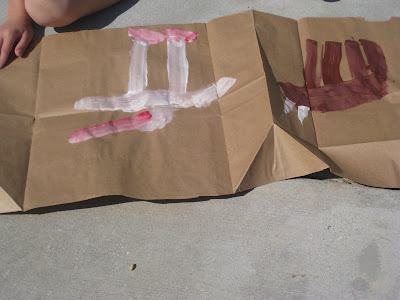
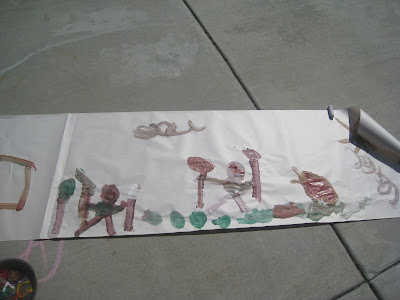
We created our own cave painting art by finger painting on brown paper bags to mimic the look of real cave walls. It turned into one of our favorite art-meets-history projects yet!
Why Teach Cave Painting in Ancient History?
Cave paintings are some of the earliest examples of human expression, dating back tens of thousands of years. Studying them helps children understand how early humans communicated, recorded stories, and made sense of the world around them—long before written language existed.
Learning about prehistoric cave art is a perfect introduction to:
-
Early humans and their environments
-
Storytelling through pictures
-
The development of human culture
-
Observation of animals and daily life
How to Make DIY Cave Paintings with Kids
This cave painting project is super simple, budget-friendly, and fun for all ages!
Supplies Needed:
-
Brown paper grocery bags (or paper roll)
-
Scissors
-
Finger paints (in earthy tones: red, brown, black, ochre)
-
Optional: charcoal or black crayon for outlines
Instructions:
-
Tear or cut the paper bags into large flat pieces to resemble cave walls.
-
Talk briefly about the colors and images found in ancient cave art (animals, handprints, hunting scenes, symbols).
-
Let kids finger paint or use brushes to create their own scenes. No need for perfection—cave paintings were raw and expressive!
-
Once dry, you can crumple the paper slightly to give it a more weathered, rock-like texture.
This project encourages creativity and sparks great discussions about life in the Stone Age.
Book Connection: Sunset of the Sabertooth by Mary Pope Osborne
To go along with our lesson, we read Magic Tree House #7: Sunset of the Sabertooth. This engaging early chapter book follows Jack and Annie as they journey back to the Ice Age. It includes references to cave art, woolly mammoths, and sabertooth cats, making it a perfect pairing for this activity.
If you haven’t discovered the Magic Tree House series yet, it’s a wonderful collection of historical fiction for early readers. Each book introduces real-world topics in a kid-friendly way. My son loves them—and even brought the book to me during our lesson to show me the cave paintings he remembered!
Picture Books & Read-Alouds
Great for preschool through early elementary.
-
The First Drawing by Mordicai Gerstein
A beautifully illustrated book imagining the child who created the first cave drawing. It’s based on real prehistoric art and sparks imagination. -
Boy, Were We Wrong About the Human Body! by Kathleen V. Kudlinski
Not specifically cave art, but it discusses early misconceptions about human history in a fun and kid-friendly way.
Early Chapter Books
Perfect for ages 6–9.
-
Usborne Beginners: The Stone Age by Jerome Martin
A nonfiction book with vivid pictures and easy-to-understand facts about Stone Age life and early humans. -
The Secrets of Stonehenge by Mick Manning and Brita Granström
Though a little later than cave paintings, it connects well to ancient studies and early people. -
Caveman Dave by Nick Sharratt and Francesca Simon
A silly and fun story featuring a cave boy who doesn’t want to hunt and fight—he wants to draw!
Middle Grade Nonfiction or Informational
-
DK Eyewitness: Early Humans
Great photographs and facts about early human life, tools, art, and caves. -
You Wouldn’t Want to Be a Mammoth Hunter! by John Malam
A humorous and fact-packed book with illustrations that kids love. Gives a clear picture of Ice Age survival.
Extend the Learning
Here are a few more ideas to dive deeper into ancient history with your kids:
-
Watch a short video about the Lascaux Caves in France or Altamira Cave in Spain.
-
Make handprint art using paint and sponges to replicate the iconic stenciled hands.
-
Draw animals from memory like prehistoric artists did. What would you want future humans to know about your world?
-
Create a mini “cave” by hanging up brown butcher paper in a reading nook and letting kids decorate it with their cave art.
This cave painting project for kids is such a fun and meaningful way to bring ancient history to life. It’s messy, creative, and opens the door to so many rich conversations about human history, storytelling, and art.
Sometimes the simplest projects are the most powerful. We’ll definitely remember this one!
5 Fun Ways to Simulate a Cave for Kids
1. Brown Paper Cave Walls
-
Supplies: Brown kraft paper, grocery bags, or packing paper
-
Crumple up the paper, then flatten it out slightly to give it a rock-like texture.
-
Tape it to the walls, under tables, or inside a reading nook.
-
Let kids paint or draw their cave art right on the paper.
Bonus: Create torchlight effects with battery-operated tea lights or flashlights for an “exploration” vibe.
2. Under-the-Table Cave
-
Drape blankets or dark sheets over a table to make a cave hideout.
-
Tape paper to the underside of the table so kids can “paint” on the ceiling like prehistoric artists.
-
Add pillows and flashlights for a cozy learning spot.
3. Cardboard Box Cave
-
Use a large appliance box (or connect several smaller ones).
-
Cut a hole for an entrance and decorate the inside with paper “stone walls.”
-
Let kids crawl in and add cave drawings with crayons, chalk pastels, or paper cutouts.
4. Darkened Room Exploration
-
Close blinds and dim the lights in a small room or hallway.
-
Use headlamps or flashlights and tape cave paintings to the walls.
-
Pretend you’re discovering ancient art for the first time.
Educational twist: Let kids “excavate” or “analyze” the art with clipboards and simple observation sheets.
5. Chalk on Pavement Cave Art
-
If it’s nice outside, turn your sidewalk or patio into a prehistoric cave.
-
Use earth-tone chalk to draw mammoths, handprints, and symbols.
-
Talk about how early people might have used natural materials to draw on rocks.
See More Hands On Learning Ideas:
Irish Soda Bread Recipe & History
Hot Cross Buns Recipe and Song
Gravity Spinner Toy – A Hands-On Gravity Experiment for Kids
Kitchen Science: Homemade Butter in a Jar