
Teach Your Child to Read in 100 Easy Lessons – Honest Review & Tips from a Homeschool Mom
This post may contain affiliate links.
Teaching a child to read can feel intimidating—especially if you’re not confident in phonics. I felt the same way when I started the process with my 5-year-old. But after discovering the book Teach Your Child to Read in 100 Easy Lessons, I found a method that worked for both of us. It was clear, simple, and most importantly—it made reading fun and approachable.
In this post, I’ll share what I love about the book, how we used it in our homeschool, and a few real-life tips that helped make our reading journey a success.
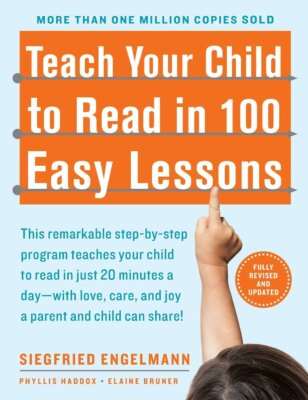
What Is Teach Your Child to Read in 100 Easy Lessons?
This book is a step-by-step phonics-based reading program designed for parents to use at home. Each of the 100 lessons builds progressively, introducing new sounds and blending skills gradually so that your child builds confidence quickly.
What impressed me most was how simple it was to follow—even as someone who didn’t fully grasp phonics myself. The book explains everything you need as the instructor and uses a scripted format that’s easy to read aloud and implement.
Why It Worked for Us
- Incremental learning: Each lesson builds just a little on the last, easing kids into reading without overwhelming them.
- Phonics + Writing: The program combines reading with handwriting practice, which reinforces learning.
- Quick wins: Kids are reading real words (and even full sentences!) within the first few lessons.
- Confidence building: My son was so proud of himself as he progressed—and he was reading long before we hit lesson 100.
By the end of the book, most kids are reading at a second-grade level or higher, especially when paired with other reading opportunities throughout the day.

Tips for Success with Teach Your Child to Read in 100 Easy Lessons
- Go at your child’s pace. If your child resists or gets frustrated, it’s okay to take a break or repeat a lesson. Progress is more important than speed.
- Double up on good days. If your child is feeling confident, let them try two lessons in one sitting!
- Make it fun. My secret weapon? I place a tiny chocolate chip on every other line of the reading story. When he finishes the line, he gets the treat and keeps going! It’s a small motivation, but it works wonders.
- Use encouraging analogies. On tough days, I remind my son of learning to ride his bike. It was hard and frustrating at first, but now it’s one of his favorite things to do. Reading is just like that—practice makes it easier and more fun!
- Celebrate progress. Occasionally, we go back and reread lessons from earlier in the book to see how far we’ve come. It gives my son a real sense of accomplishment.
Bonus: My 3-year-old was so excited watching us that she wanted to start lessons too—and she’s doing surprisingly well!
Pros & Cons of the Program
Pros:
- Very affordable
- Truly beginner-friendly for both parent and child
- Phonics-based approach that really works
- Simple, consistent structure
Cons:
- Black-and-white pages and lack of colorful pictures
- Stories can feel repetitive over time
Still, the content lives up to its promise. It’s true to the title—this book really can teach your child to read in 100 easy lessons.
If you’re a parent or homeschooler feeling unsure about how to teach reading, I highly recommend Teach Your Child to Read in 100 Easy Lessons. It gave me the confidence I needed—and gave my child the skills to become an independent reader.
Reading is one of the greatest gifts we can give our children, and this book makes that process approachable and effective.
Have you tried this book? I’d love to hear how it went for you!
You May Also Like:
25 Hands-On Sight Word Activities for Early Readers



I haven’t seen that book before, but it looks like a classic. I’m adding it to my amazon cart. Thanks for sharing!
Thanks for the information. Teaching your child to read is very important to their future.